In today’s fast-paced digital world, website speed can make or break user experience. Slow-loading pages frustrate visitors, increase bounce rates, and even impact search rankings. One of the most effective ways to improve performance is through AI image optimization—a smarter approach that balances quality with speed.
What Is AI Image Optimization?
AI image optimization uses artificial intelligence to automatically compress, resize, and adjust images for the web. Unlike traditional methods, AI can analyze image content and make decisions that preserve clarity while reducing file size. This means visuals look sharp without slowing down your website.
Why It Matters for Speed and SEO
Large, unoptimized images are a common culprit behind sluggish websites. Every extra second a page takes to load can cost conversions and harm SEO. Search engines prioritize fast-loading pages, rewarding them with higher rankings. By optimizing images, brands can enhance both user experience and visibility in search results.
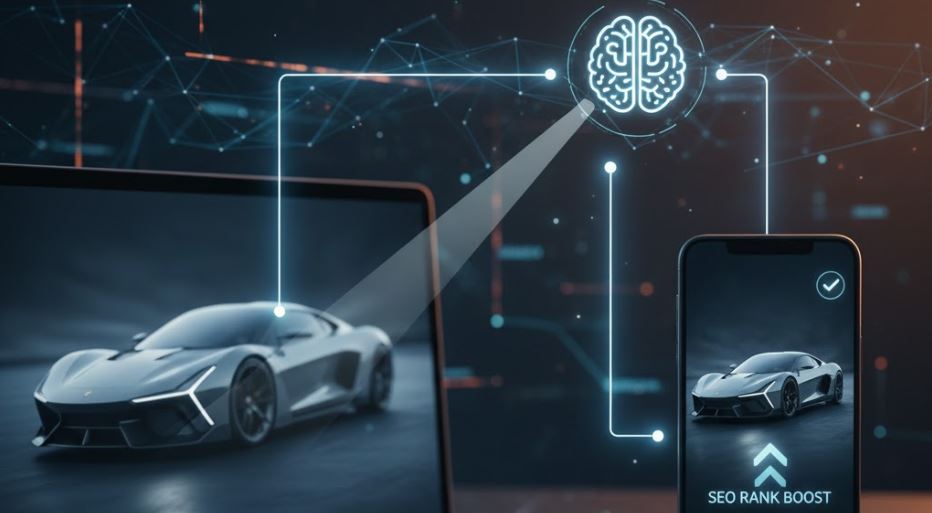
AI-driven tools go beyond basic compression. They can convert images into modern formats like WebP or AVIF, such as choosing the right dimensions for different devices, and predicting which parts of an image can be compressed more aggressively without noticeable quality loss. The result? Pages that load faster, rank higher, and keep visitors engaged.
Practical Benefits for Brands
For brands, the advantages of AI image optimization are clear. Faster websites improve user satisfaction, reduce bounce rates, and encourage longer sessions. E-commerce stores, for example, often see higher conversion rates when product images load quickly and clearly. Content-heavy websites also benefit, as optimized images keep blogs, galleries, and landing pages performing smoothly.
Moreover, search engines favor pages that deliver strong UX signals. Optimized images contribute to faster load times, which can directly boost SEO performance. This means more organic traffic, better visibility, and ultimately, more opportunities to connect with potential customers.
How to Implement AI Image Optimization
Brands don’t need to overhaul their entire website to get started. AI-powered plugins and platforms integrate easily with popular content management systems, automatically optimizing images as they are uploaded. For companies that want a more comprehensive strategy, partnering with a digital marketing agency in Pasadena can ensure optimization is done efficiently and aligned with broader SEO goals.
Consistency is key. Even occasional unoptimized images can slow a page and negatively affect rankings. By adopting AI image optimization as a standard workflow, businesses can maintain fast, high-performing websites with minimal ongoing effort.
The Long-Term Impact
AI image optimization is more than a technical upgrade—it’s a strategic move. Faster load times improve UX, enhance SEO, and build trust with visitors. Brands that invest in this technology stay ahead of competitors who still rely on manual or outdated image processes. Over time, this approach drives measurable results, from higher search rankings to increased engagement and conversions.
In the evolving digital landscape, AI image optimization isn’t just a nice-to-have. It’s an essential part of delivering efficient, user-friendly, and search-friendly websites that perform at their best.