
Artificial intelligence is reshaping how brands create, optimize, and scale online content. From keyword research to automated writing, AI tools help businesses produce SEO-optimized content faster and more strategically.
As search algorithms constantly evolve, using AI to guide your content strategy is essential. These tools combine data-driven insights with language generation to help marketers rank higher, reach wider audiences, and improve ROI.
Here are 10 of the most effective AI tools content teams and SEO professionals use in 2025 to create SEO-optimized content, with insights on each tool’s real-world performance.
1. Surfer SEO
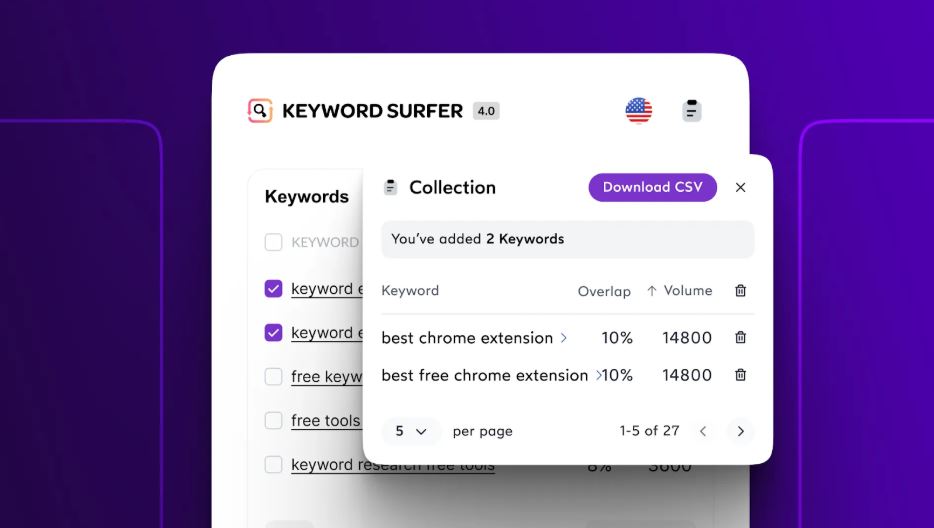
Surfer SEO analyzes top-ranking pages for any keyword and creates a detailed content model based on data such as average word count, keyword density, and common headings. It also provides a content score that helps writers align with current search intent.
Marketers often use Surfer to develop content briefs or to optimize existing blog posts. Its real-time editor allows writers to track how their drafts match the best-performing content on Google.
Companies like Shopify, Squarespace, and ClickUp have used Surfer to scale SEO-driven content.
Strengths:
- Generates data-backed optimization insights
- Integrates seamlessly with platforms like Google Docs and WordPress
Limitations:
- Can become formulaic if overused
- Subscription costs can increase with higher content volume.
Best for:
Businesses looking to continuously audit and improve content performance across their blogs and landing pages.
2. Frase
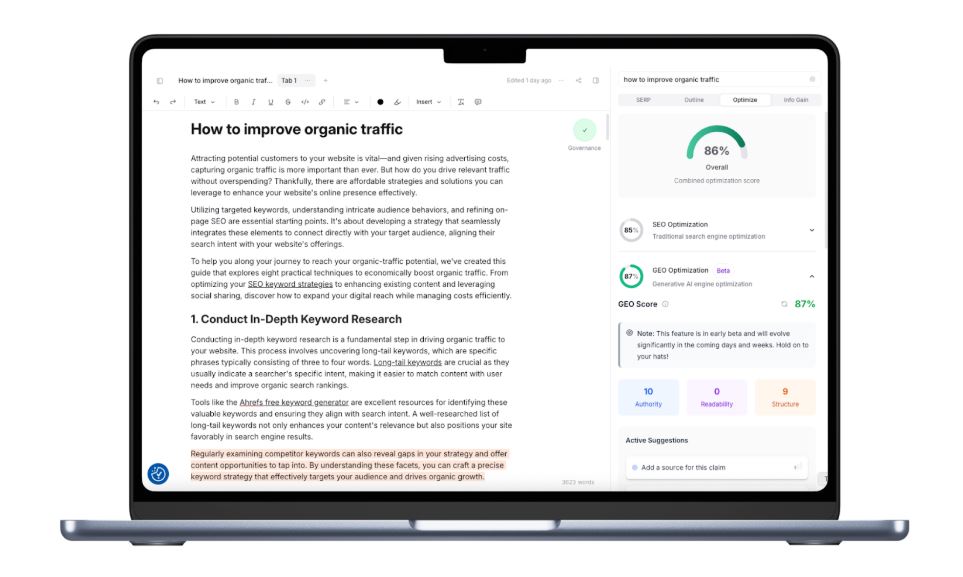
Frase simplifies research by analyzing top-ranking pages for a keyword and generating structured content briefs. Its AI writer can also produce outlines and drafts based on the latest SERP data.
Content teams use Frase to create fast, research-backed outlines before writing. It’s particularly effective for teams that want to reduce time spent on manual topic research.
Tech companies like HubSpot and Coursera have reportedly used Frase for optimizing educational and blog content, helping their teams streamline topic ideation.
Strengths:
- Saves hours on research
- Includes AI writing and optimization in one platform
Limitations:
- Drafts still require human editing to refine tone and accuracy.
- Limited integrations compared to larger SEO suites.
Best for:
Marketing teams that need quick topic briefs and SEO insights without switching between multiple tools.
3. Clearscope
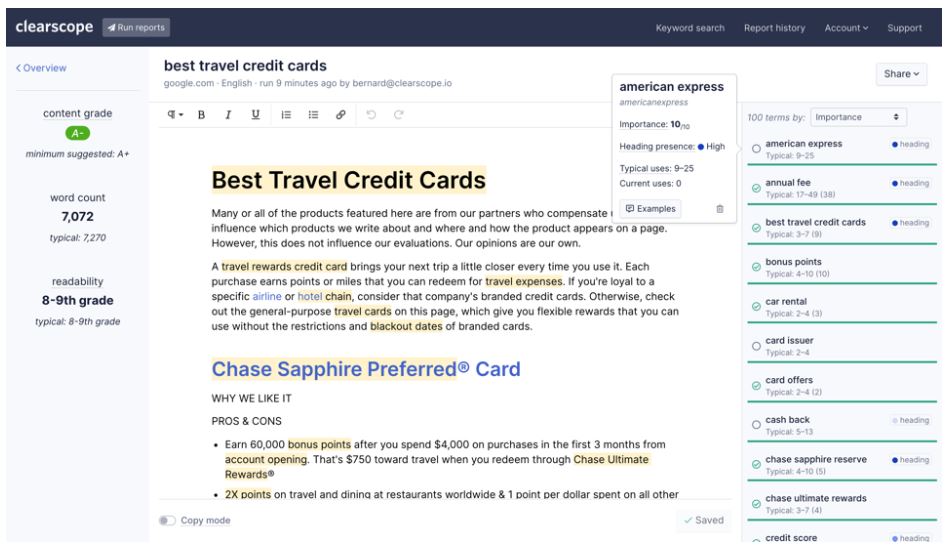
Clearscope is an SEO content optimization tool trusted by marketing and editorial teams for its simplicity and precision. It recommends relevant keywords, ideal reading levels, and topic coverage based on real-time SERP data.
Writers and editors use Clearscope to polish drafts before publishing. Its scoring system helps identify where a piece may be under-optimized for relevant search terms.
Well-known brands like Deloitte, Shopify, and Adobe have integrated Clearscope into their content processes to maintain high-quality, search-friendly material.
Strengths:
- Clear, easy-to-use optimization interface
- Accurate keyword and readability recommendations
Limitations:
- Lacks a built-in content generation feature
- Premium pricing for small businesses
Best for:
Teams focused on refining content quality and ensuring all pages meet SEO benchmarks before publishing.
4. MarketMuse
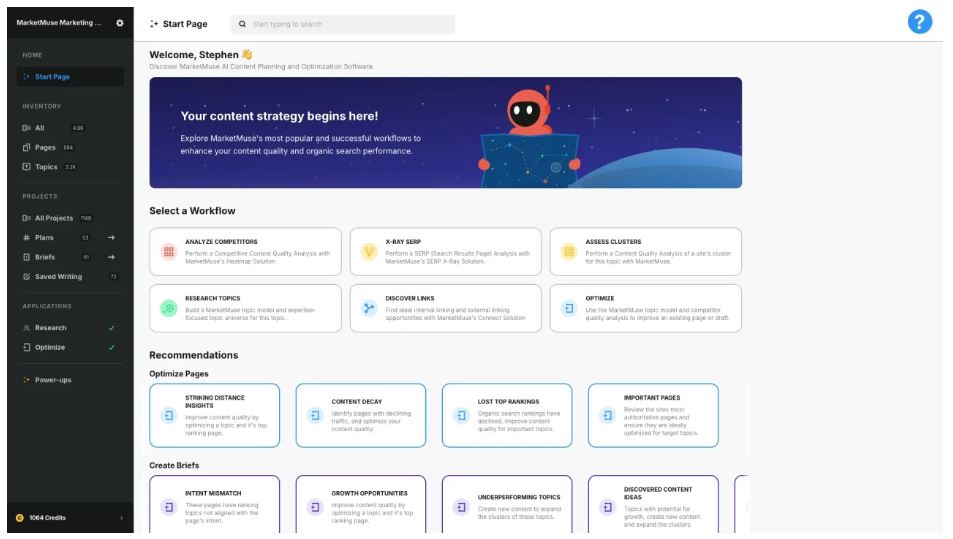
MarketMuse focuses on content strategy and topic modeling. It uses AI to analyze a website’s content library and identify gaps in topic coverage. The tool can forecast the effort required to rank for specific topics.
Enterprises and agencies use MarketMuse to plan content roadmaps, cluster topics, and identify high-value opportunities that competitors are missing.
Companies like Discover, IBM, and Lionbridge have used MarketMuse to streamline large-scale content planning and reduce wasted effort on low-impact keywords.
Strengths:
- Excellent for mapping long-term content strategy
- Provides topic clustering and prioritization features
Limitations:
- Geared toward large organizations; it may be expensive for smaller teams.
- Not focused on actual content drafting
Best for:
Enterprise-level content teams managing extensive blogs or resource hubs.
5. SEMrush SEO Writing Assistant
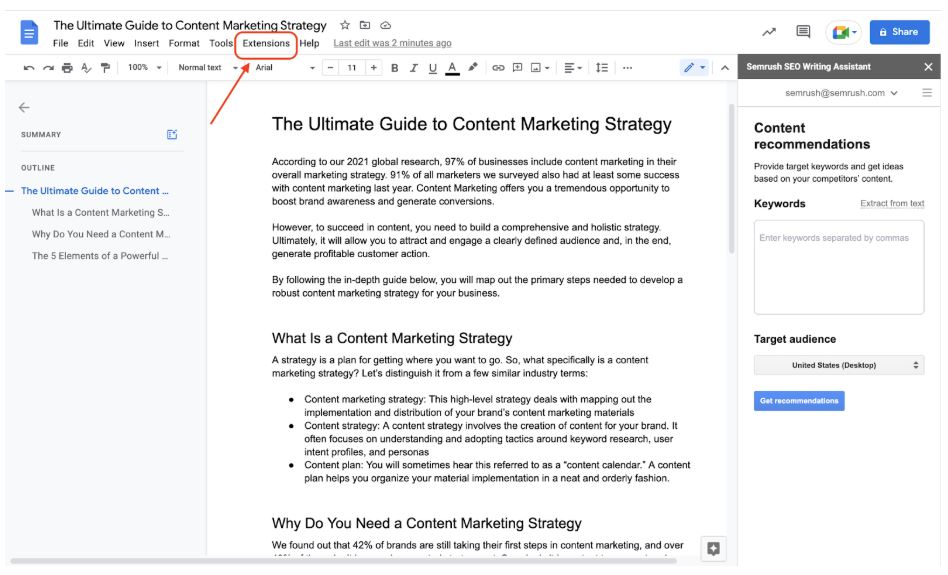
SEMrush’s Writing Assistant is part of its all-in-one marketing suite. It provides keyword intent suggestions, readability analysis, and tone-of-voice guidance to help writers maintain SEO best practices.
Writers can use the SEMrush Content Template to generate outlines based on top-ranking competitors, then edit within the SEO Writing Assistant to improve structure and keyword alignment.
Global companies like eBay, Booking.com, and Philips have integrated SEMrush into their digital marketing operations for everything from keyword research to on-page optimization.
Strengths:
- Combines SEO research, writing, and analytics
- Integrates with Google Docs and WordPress
Limitations:
- Content optimization features are not as advanced as Surfer or Clearscope.
- Pricing can increase when adding premium features.
Best for:
Businesses that want an all-in-one SEO and content marketing platform.
6. Jasper
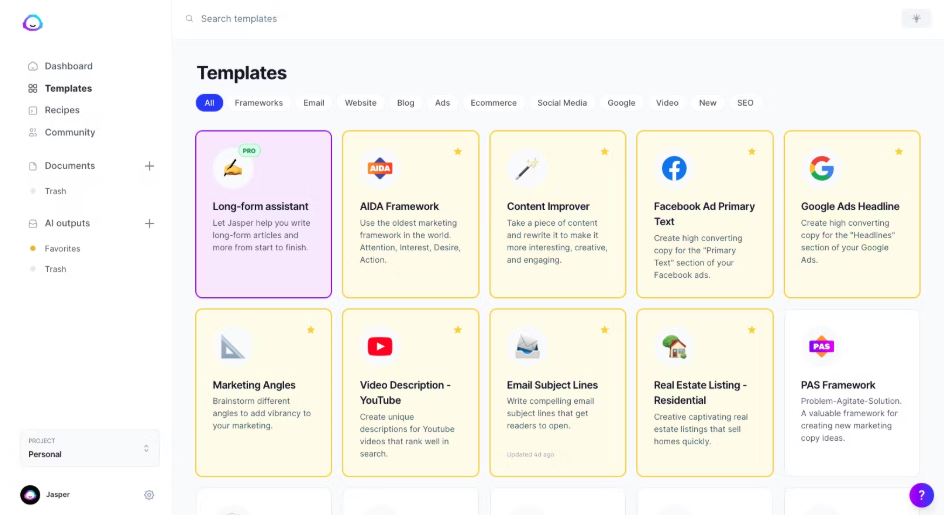
Jasper is an AI content generator built for marketing teams. It can produce blog posts, ad copy, and social media captions using pre-built templates, while maintaining brand tone through style settings.
Writers use Jasper to draft blog posts or refresh old content. Paired with a tool like Surfer SEO, Jasper can produce optimized drafts ready for publication.
Agencies like GrowthPlay and tech companies like Zapier have used Jasper to streamline multi-platform content production.
Strengths:
- Fast and easy content creation
- Customizable tone and brand consistency features
Limitations:
- May produce generic copy without human editing
- Fact-checking is necessary for technical topics.
Best for:
Marketing teams that need to produce large amounts of branded content quickly.
7. ChatGPT (OpenAI)
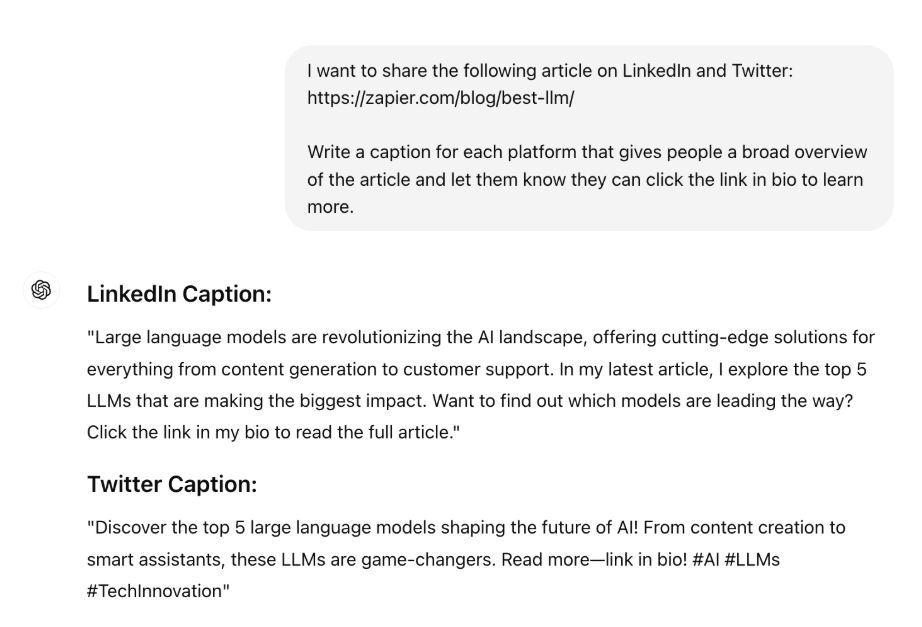
OpenAI’s ChatGPT is a versatile language model used by marketers, developers, and writers to generate content ideas, outlines, and full drafts. It’s adaptable for SEO workflows through plug-ins and custom instructions.
Teams use ChatGPT for brainstorming article ideas, expanding outlines, and writing first drafts. Combined with SEO tools like Surfer or Clearscope, it becomes a powerful writing assistant.
Companies such as Expedia and Canva have integrated ChatGPT and OpenAI APIs to enhance customer communications and automate content creation tasks.
Strengths:
- Extremely flexible with broad application potential
- Supports integrations across platforms
Limitations:
- May generate inaccurate or generic text without proper guidance
- Requires strong human editing and fact-checking
Best for:
Teams that want an adaptable AI tool to assist with multiple aspects of content creation.
8. Writesonic
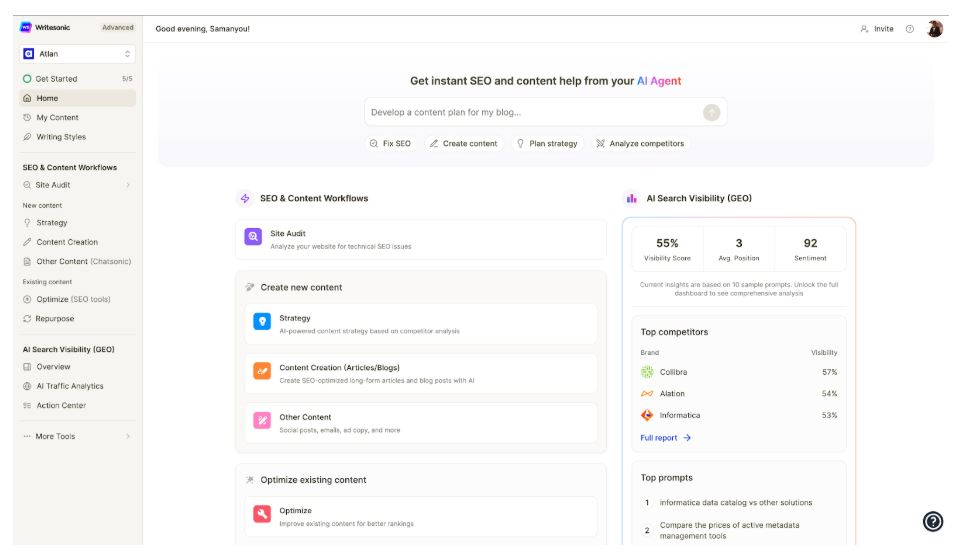
Writesonic combines content generation, AI-driven optimization, and AI search visibility tracking. It helps users create long-form articles, ads, and product descriptions.
Businesses use Writesonic to repurpose content into formats such as blog posts, LinkedIn articles, and Google Ads copy, all optimized for search and engagement.
E-commerce brands and startups like Flippa and Chargebee have reported using Writesonic to accelerate copywriting for campaigns and product pages.
Strengths:
- Ideal for repurposing and multi-channel publishing
- Simple, fast content creation interface
Limitations:
- Not as nuanced in topic coverage for complex industries
- Requires editorial review for tone and accuracy
Best for:
Small to mid-sized teams creating content across multiple marketing channels.
9. Scalenut
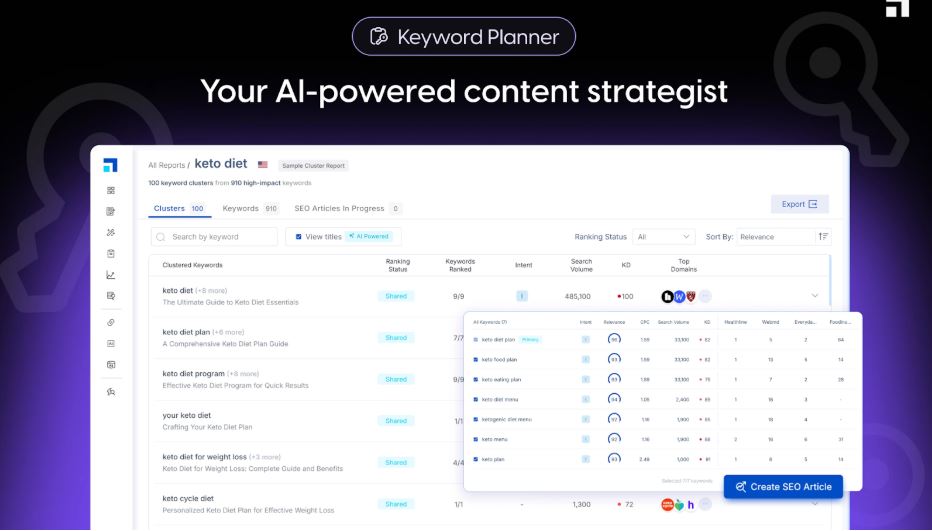
Scalenut is an AI-powered SEO and content creation suite offering keyword planning, AI writing, and optimization tools. Its “Cruise Mode” feature automates the content creation process from outline to draft.
Brands use Scalenut to build scalable SEO strategies. It helps generate keyword clusters and content plans that align with search intent.
Companies like Hubilo and SmartKarrot have used Scalenut to streamline content workflows and improve organic search visibility.
Strengths:
- Offers an all-in-one SEO and writing solution
- Supports automated content planning
Limitations:
- Broad toolset may be overwhelming for small teams.
- Premium tiers can be costly.
Best for:
Growing businesses that want to automate both strategy and writing in one platform.
10. NeuralText
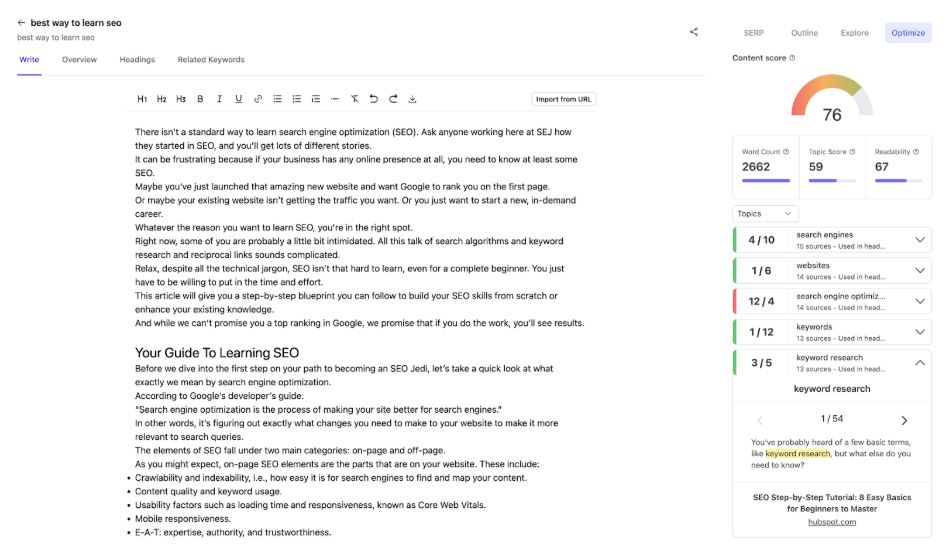
NeuralText helps marketers create SEO-optimized content by extracting headings and keywords from competitors’ pages. It provides AI writing support and on-page SEO feedback.
Writers use NeuralText to create content briefs that mirror the structure of top-ranking results. It’s effective for competitive keyword analysis and quick draft generation.
Startups and freelancers have adopted NeuralText for its affordability and fast brief creation capabilities.
Strengths:
- Affordable and user-friendly
- Good for quick research and outline creation
Limitations:
- Fewer integrations than higher-end tools
- Less detailed recommendations compared to Clearscope or Surfer
Best for:
Small businesses and freelance writers are seeking a cost-effective SEO content solution.
How These Tools Fit Together
Each platform has unique strengths, but the best results come from combining them into a cohesive SEO content stack:
- Research & Strategy: MarketMuse or SEMrush for identifying keyword gaps and building topic clusters.
- Content Briefs: Frase or NeuralText for analyzing competitors and organizing ideas.
- AI Drafting: Jasper or ChatGPT for writing the first version of the article.
- Optimization: Use Surfer or Clearscope to refine structure, readability, and keyword distribution.
- Editing & Fact-Checking: Human editors finalize tone, voice, and accuracy.
This layered approach ensures each piece of content is data-informed, human-centered, and trustworthy.
Final Thoughts
AI is not replacing content creators; it is empowering them. If used strategically, these tools help businesses produce SEO-friendly content that ranks well.
From data-driven optimizers like Surfer and Clearscope to content generators like Jasper and ChatGPT, AI’s role in content creation continues to expand. Yet, the human touch remains essential for ensuring credibility, creativity, and authenticity.
For businesses that want to strengthen their content strategy with AI tools, partnering with an experienced agency can provide the right balance between technology and expertise. Cybertegic, a digital marketing agency in Los Angeles, specializes in helping brands integrate AI-driven content strategies that deliver measurable results.