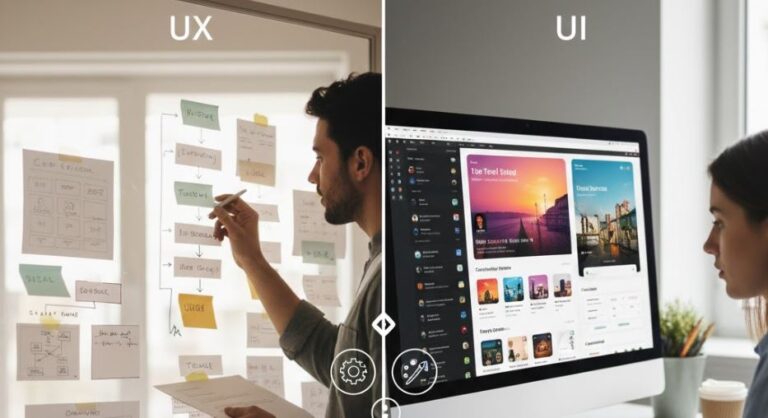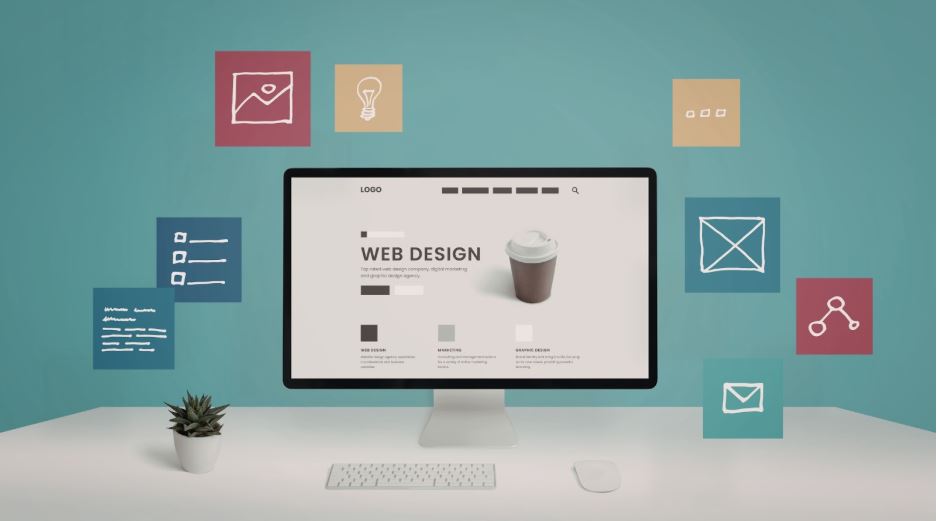
A website is more than a digital presence—it’s often the first impression a brand makes. Great design goes beyond aesthetics; it guides users, encourages interaction, and improves conversions. Focusing on user experience (UX) and engagement ensures visitors stay longer and take meaningful actions.
Prioritize Clear and Intuitive Navigation
Users should never struggle to find what they need. Navigation menus should be simple, consistent, and easy to scan. Group related pages logically and use descriptive labels instead of generic terms like “Resources” or “Products.”
A well-structured menu reduces frustration and increases engagement. Breadcrumbs and search bars can also help users move seamlessly through your site, keeping them on your pages longer.
Optimize Load Speed and Mobile Experience
Slow-loading pages are one of the quickest ways to lose visitors. Compress images, minimize unnecessary scripts, and use caching to improve load times.
Mobile optimization is equally critical. Most users now access websites via smartphones, and a mobile-friendly design enhances UX. Responsive layouts, touch-friendly buttons, and scalable fonts ensure every visitor has a smooth experience, no matter the device.
Focus on Readability and Visual Hierarchy
Content should be easy to scan. Use short paragraphs, bullet points, and clear headings to guide the eye. Font choices, spacing, and contrast matter as much as the words themselves.
Visual hierarchy helps users understand what’s important at a glance. Highlight key messages with color, size, or placement to lead visitors toward desired actions without overwhelming them.
Use Strategic Calls to Action (CTAs)
Engagement depends on prompting users to act. Every page should have a clear CTA, whether it’s signing up for a newsletter, downloading a guide, or making a purchase.
CTAs should stand out visually but feel natural within the content. The wording matters, too—use action-oriented language that communicates value to the user.
Incorporate Trust Signals and Interactive Elements
Trust is essential for engagement. Include testimonials, client logos, security badges, and case studies to build credibility. Interactive elements, such as sliders, quizzes, or dynamic content, can also keep users engaged longer.
However, balance is key. Too many animations or pop-ups can distract or frustrate visitors, so every element should enhance UX rather than hinder it.
Collaborate With Experts for Optimal Results
For businesses seeking to maximize both design and performance, working with a digital marketing agency in Los Angeles can be a game-changer. Experienced agencies understand the balance between aesthetics, usability, and conversion optimization. They can provide insights that turn design improvements into measurable business results.
Final Thoughts
Effective web design combines clarity, speed, readability, and strategic calls to action. By prioritizing UX and engagement, brands create websites that not only attract visitors but also guide them toward meaningful interactions.
With thoughtful design choices and the right expertise, your website becomes a tool for building trust, boosting engagement, and driving results.