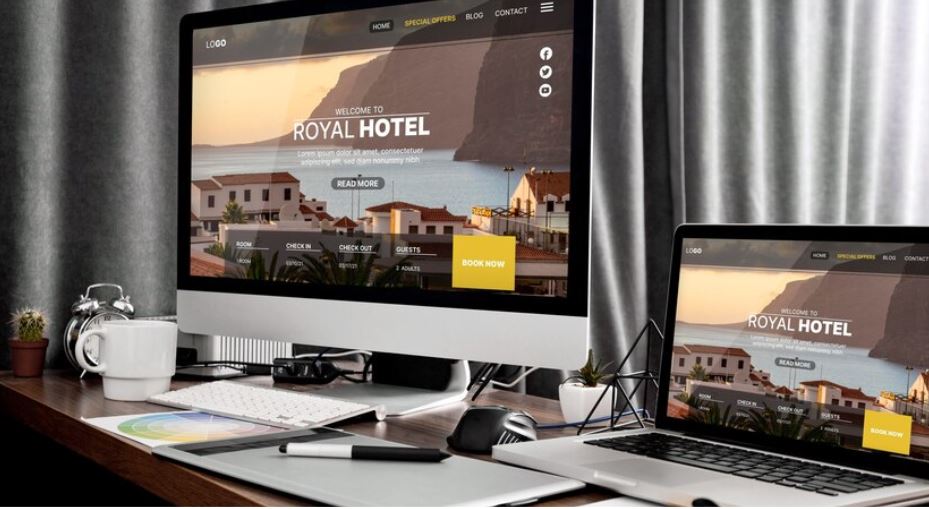

A landing page is crucial for any digital marketing campaign. It is a dedicated webpage that aims to capture your visitors’ information and convert them into leads or customers. Several key elements must be considered when building an effective landing page.
This article includes tips from our experts at Cybertegic, a digital marketing agency in Los Angeles, on how to create a successful, effective landing page.
The Importance of a Landing Page
Unlike a typical web page, a landing page is designed with a single focus or goal, such as capturing user information through a form, promoting a specific product, or encouraging a particular action like downloading a resource or signing up for a newsletter. This targeted approach helps reduce distractions, guiding visitors toward completing the desired action.
Additionally, well-crafted landing pages improve user experience by providing relevant, concise, and persuasive content that aligns with the user’s search intent or ad click. Effective landing pages also facilitate better tracking and analysis of campaign performance, allowing businesses to optimize their marketing strategies.
9 Tips to Build a Landing Page
Here are nine tips to build an effective landing page that you can use to increase your website conversion:
1 – Define the Purpose and Goal
Before building a landing page, you must clearly define its purpose and goal. What action do you want visitors to take on the page? It is to sign up for your email newsletter, download an ebook, or purchase. Understanding the desired outcome will guide the design and content decisions later on.
2 – Keep it Simple and Focused
A landing page should be clean, simple, and focused on a single offer or message. Avoid cluttering the landing page by adding unnecessary information or distracting visuals. Use concise and compelling content that clearly communicates your offer’s value proposition and benefits.
3 – Craft a Compelling Headline
The headline is the first thing your website visitors see on your landing page, so it must be compelling and persuasive. It should clearly state the offer and appeal to the visitor’s needs or desires. Use strong and impactful words to entice visitors to keep reading.
4 – Use Convincing Copy
In addition to a compelling headline, the rest of the copy on your landing page should be persuasive and designed to convert visitors into leads. Highlight your offer’s key benefits, address any objections or concerns, and emphasize how it solves the visitor’s problem or fulfills their needs. Use bullet points, subheadings, and concise paragraphs to make the content understandable.
5 – Use a Clean Design and Layout
The design and layout of your page play a crucial role in its effectiveness. Use a clean, professional design that should match your branding. Add high-quality images or videos relevant to the offer. Place important elements, such as the headline, call-to-action button, and form, above the fold to ensure they are immediately visible to visitors.
6 – Include a Clear Call-to-Action
A call-to-action (CTA) prompts visitors to take the desired action. Make sure your CTA stands out and is easily recognizable from the rest of the page. Use compelling and action-oriented words, such as “Download Now,” “Get Started,” or “Sign Up Today.” You can also use contrasting colors to make the CTA button more visually appealing.
7 – Optimize for Mobile
With most internet users accessing websites from mobile devices, optimizing your website, especially your landing page, is a must for mobile users. Make your landing page responsive and display correctly on different screen sizes. You can test it on various mobile devices to ensure your page delivers a seamless user experience.
8 – Implement Analytics and Tracking
Implementing analytics and tracking is crucial to measuring your landing page’s success and making necessary improvements. Use tools or other marketing automation platforms to track critical metrics like visitor behavior and conversion rates. Analyzing this data will help you optimize your landing page for better results.
9 – Test and Iterate
Building a landing page is an ongoing process of testing and iteration. Use A/B testing to compare landing page versions and determine which elements perform better. Test different headlines, CTA buttons, images, or form lengths. Continuously optimize your landing page based on user feedback and data analysis.
Key Takeaways
By implementing these steps to your current website content strategy, you can create a well-designed and highly converting landing page for your marketing campaigns. Consider your target audience and tailor your landing page to their needs and preferences.