We’ve been in the digital marketing game for over two decades, and we’ve seen trends come and go. But every year, new tools, technologies, and strategies shake things up in ways that can make or break a marketing campaign. Heading into 2026, it’s clear that marketers need to adapt fast, or risk falling behind. Here’s our take on the top 12 online business trends in 2026, based on experience, industry insights, and what we see clients are asking about.
1. AI-Driven Personalization Goes Mainstream
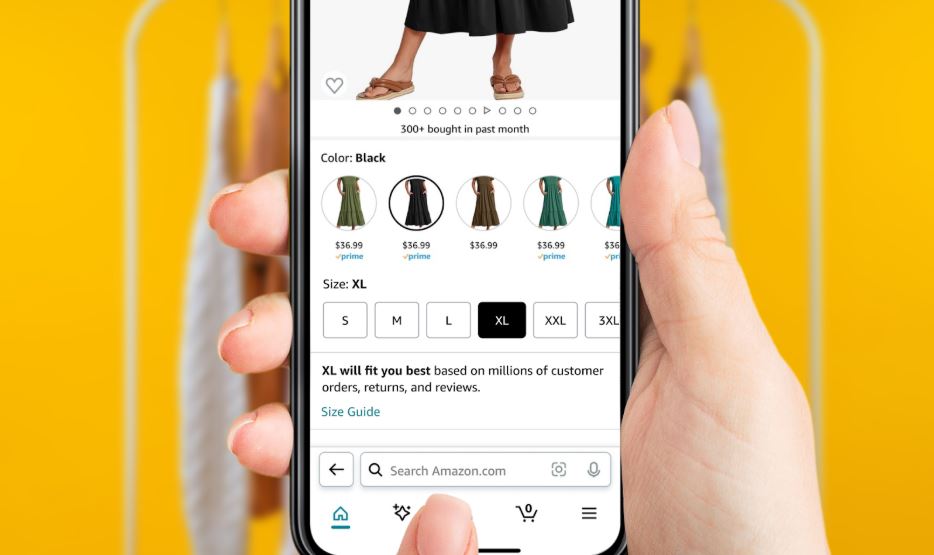
By 2026, AI will be the engine behind smarter, hyper-personalized campaigns. Today, marketers are using AI to tailor content to individual users based on behavior, interests, and even predicted purchase intent.
For example, email campaigns that dynamically adjust subject lines or product recommendations (such as Amazon’s AI shopping guide) are becoming standard. AI chatbots that understand nuance and context are dramatically improving the user experience. If your marketing still feels generic, it’s time to rethink personalization strategies.
2. Short-Form Video Dominates
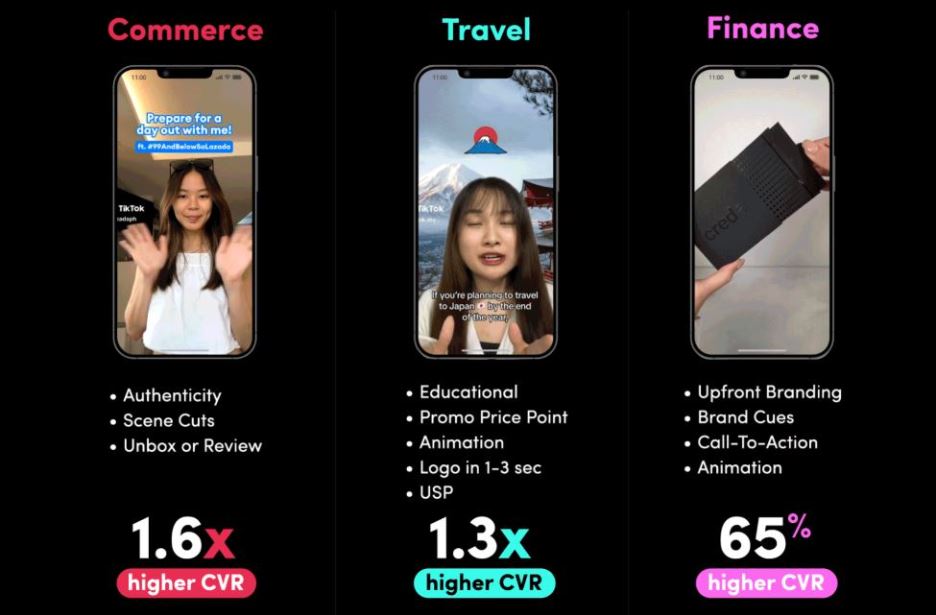
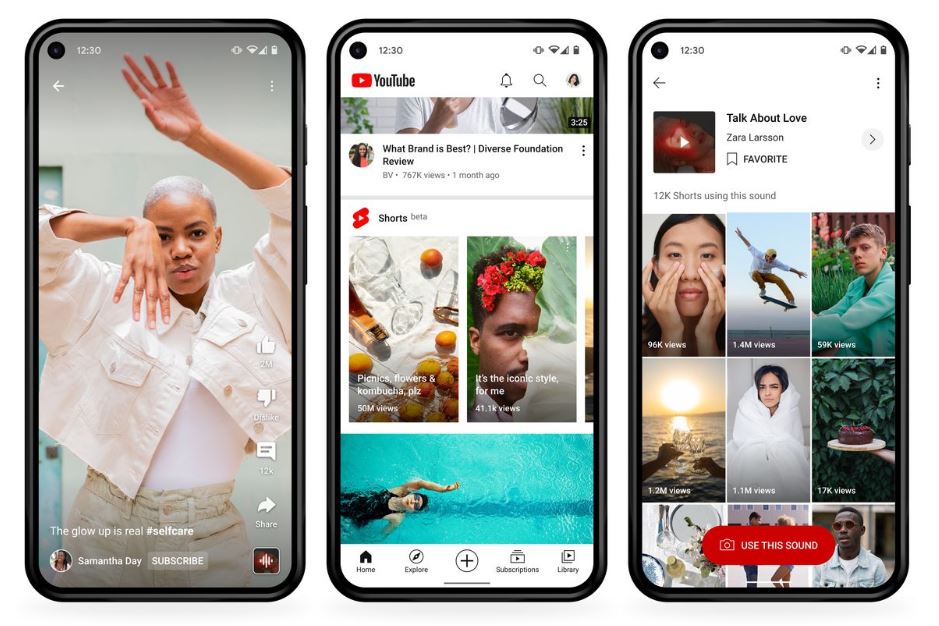
We’ve all noticed it: short, snappy videos are everywhere, from TikTok to Instagram Reels and even YouTube Shorts. In 2026, short-form video will continue to dominate because it’s fast, engaging, and perfect for mobile-first audiences.
Marketers should experiment with storytelling in under 30 seconds, using humor, emotion, or quick tutorials. Even B2B brands can succeed with bite-sized explainer videos or behind-the-scenes clips.
3. Voice Search Optimization
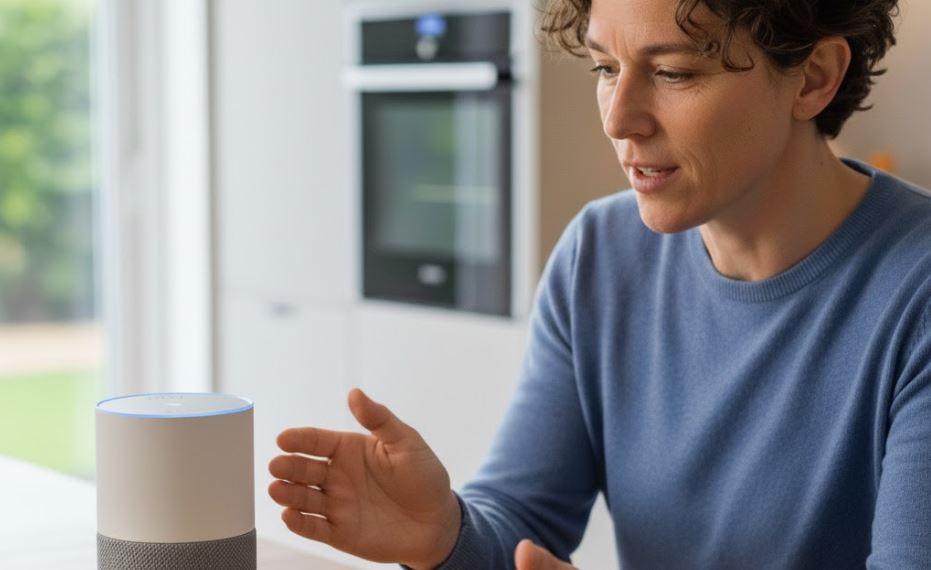
Voice search is growing steadily, thanks to smart speakers, voice assistants, and mobile voice queries. By 2026, optimizing for voice will be a necessity rather than an option.
This means thinking differently about SEO. People speak differently than they type, so content needs to answer questions naturally and conversationally. Long-tail keywords will continue to gain traction, and FAQs will become critical content pillars.
4. AI-Powered Content Creation

Yes, AI tools are helping marketers write blogs, create social posts, and even generate ad copy, but the key in 2026 is using AI strategically, not blindly.
Savvy marketers use AI for idea generation, content outlines, and repetitive tasks, but humans still edit, fact-check, and inject personality. Think of AI as a teammate, not a replacement. If your agency isn’t experimenting with AI content tools yet, you’ll fall behind competitors who do.
5. Interactive and Immersive Experiences
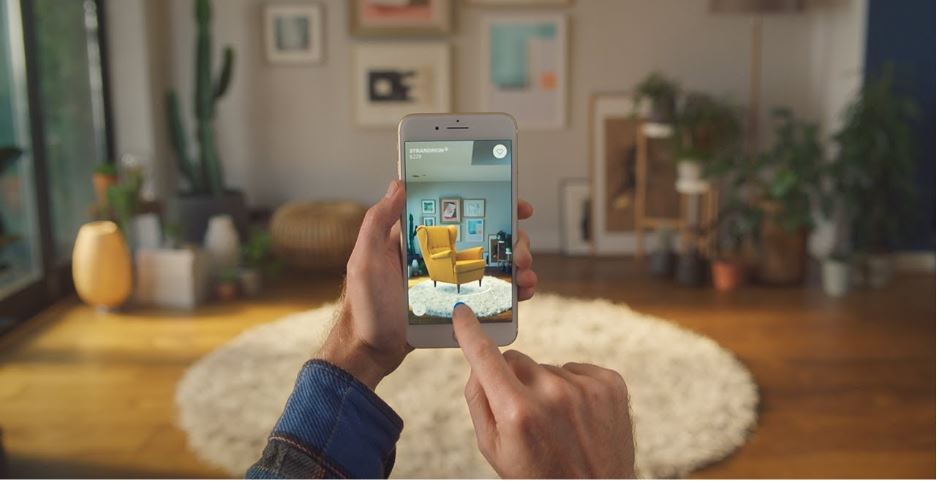
From augmented reality (AR) ads to interactive quizzes and polls, engagement is evolving beyond passive consumption. Interactive content creates memorable experiences and improves metrics like time on page and social sharing.
Brands that experiment with AR try-on tools, gamified experiences, or 360° product videos will have an edge. It’s no longer enough to tell customers about your product; you need to let them experience it digitally.
6. Privacy-First Marketing

With data privacy regulations tightening globally, marketers must adopt privacy-first strategies. Third-party cookies are fading, and users expect transparency about how their data is used.
Successful 2026 campaigns will rely on first-party data, consent-based marketing, and creative approaches to retargeting. This isn’t just a compliance issue; it’s a trust factor. Customers notice when brands respect their privacy.
7. Sustainability and Purpose-Driven Marketing
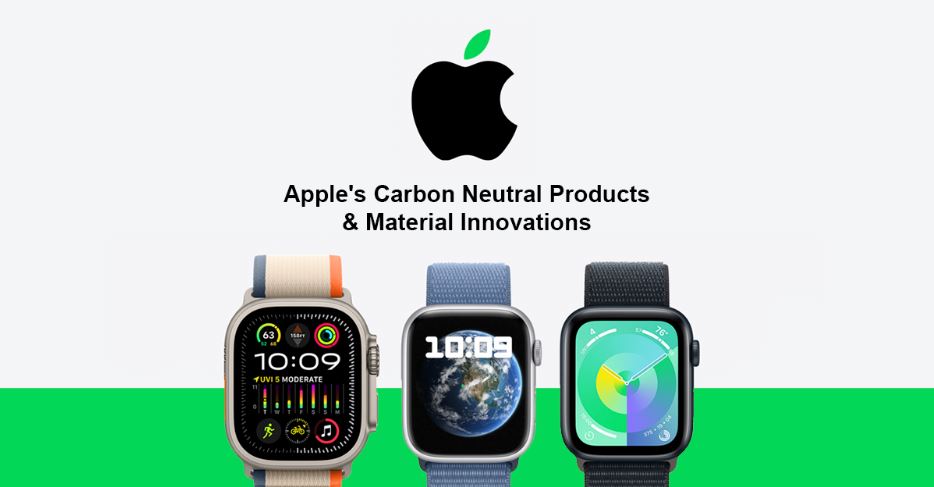
Today’s consumers increasingly value brands that take a stand. In 2026, sustainability and purpose-driven messaging will become even more influential in purchasing decisions.
Marketers should highlight eco-friendly practices, social responsibility initiatives, or community impact. Authentic storytelling is key. Customers can spot greenwashing from a mile away.
8. Hyper-Targeted Paid Ads
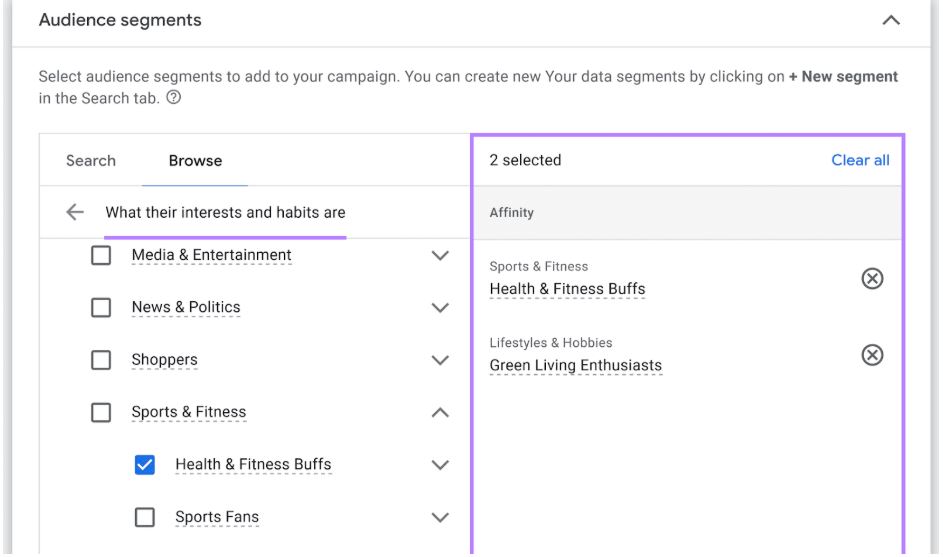
Paid media will become even smarter in 2026. AI-driven platforms allow micro-segmentation, predictive bidding, and smarter attribution models. This means ads are shown to the right person at the right time with minimal wasted spend.
Whether you’re running Google Ads, LinkedIn campaigns, or programmatic display ads, focusing on hyper-targeting will yield higher ROI. Small businesses working with a local digital marketing agency can see measurable results without blowing their budget.
9. Social Commerce Growth
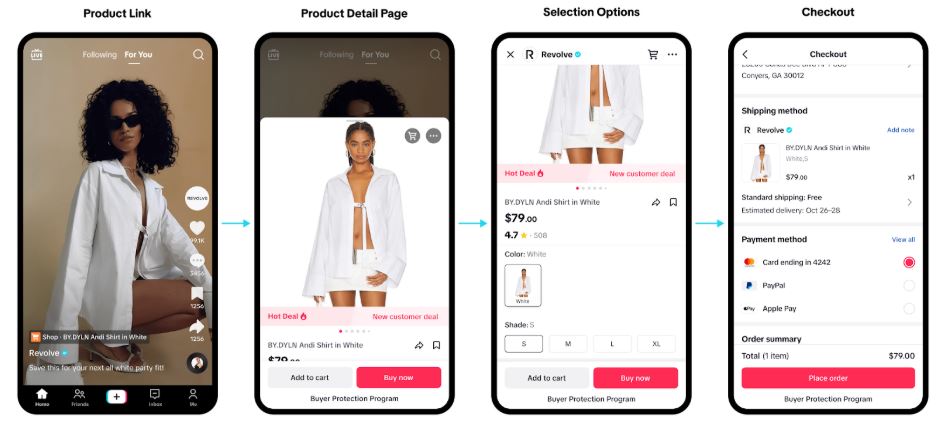
Social platforms are becoming full-fledged marketplaces. Shopping directly from Instagram, TikTok, or Facebook is easier than ever.
In 2026, expect social commerce to become a primary sales channel for many businesses. Brands should optimize profiles, use live selling sessions, and create content that naturally drives purchases.
10. Data-Driven Storytelling
Finally, storytelling remains crucial, but it’s increasingly powered by data. Marketing teams in 2026 will leverage analytics to understand audience behavior, segment users, and create content that resonates on a deeper level.
Data-driven storytelling helps marketers balance creativity with strategy. You’re not just guessing what works, but you’re also showing up with insights and proof, making campaigns smarter and more effective.
11. AI-Optimized Website Experiences
Websites in 2026 won’t be static anymore. They’ll adapt in real time based on who’s visiting and how they behave. AI-driven websites can change layouts, headlines, CTAs, and even navigation based on user intent, location, or past interactions.
For example, a returning visitor might see personalized messaging or recommended content, while a first-time visitor sees a simplified layout focused on trust-building. This level of optimization improves engagement, lowers bounce rates, and increases conversions without constant manual updates.
Website performance, UX, and marketing strategy must be tightly connected, making AI-powered optimization a must-have rather than a “nice to have.”
12. Performance-First Web Design
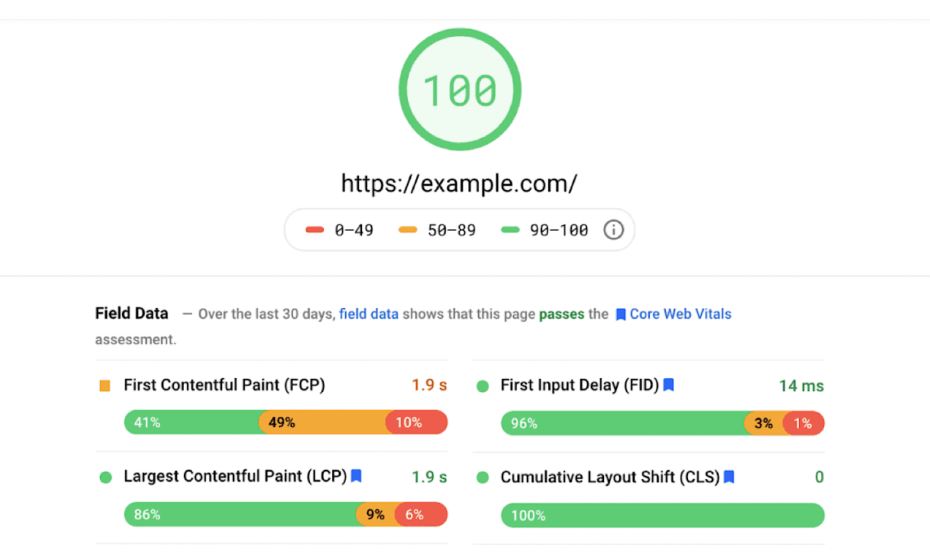
Speed and performance will be non-negotiable in 2026. Google’s Core Web Vitals already influence rankings, but user expectations are rising just as fast. If a website loads slowly or feels clunky, visitors won’t wait around.
Modern website development will prioritize clean code, lightweight frameworks, optimized images, and fast hosting environments. Designers will focus on clarity over clutter, ensuring pages load quickly while still looking polished and professional.
This trend pushes brands to see websites not just as digital brochures, but as high-performing marketing assets.
Wrapping It Up
Online business and digital marketing in 2026 will be a blend of creativity, technology, and empathy. AI, personalization, short-form video, interactive content, and data-driven strategies are merely the iceberg’s tip. The marketers who thrive will be those who adapt quickly, experiment thoughtfully, and keep human connection at the heart of every campaign.
Whether you’re running your own campaigns or working with a digital marketing agency in Pasadena, keeping up and knowing these trends can make the difference between standing out and falling behind.
As you plan your 2026 strategies, remember that the tools, channels, and technologies are important. But nothing replaces understanding your audience, telling authentic stories, and delivering real value.
Here’s to a successful, trend-savvy year in marketing!