
Social media has changed. Again.
A few years ago, brands could post consistently, run a few boosted ads, and watch followers slowly climb. Today, attention moves faster. Algorithms shift overnight. Audiences jump between platforms. AI influences what people see, search, and engage with.
Yet one thing remains remarkably consistent: brands that create genuine connections grow faster than brands that simply publish content.
That may sound obvious, but many companies still treat social media as a broadcasting channel. They post promotional graphics, publish company updates, and hope engagement follows.
It rarely does.
The brands winning in 2026 understand something different. They use social media as a relationship-building engine. Every post, video, comment, and campaign contributes to a larger brand story.
The result? More visibility, trust, leads, and revenue.
Whether you’re a startup trying to build awareness or an established company looking to accelerate growth, these social media strategies can help your brand gain momentum faster.
Why Social Media Matters More Than Ever
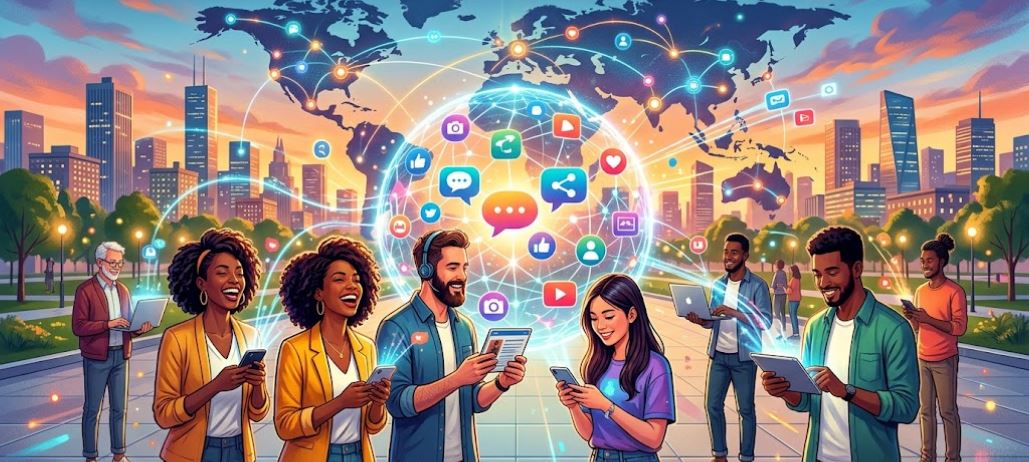
Consumers don’t discover brands the same way they did five years ago.
Search engines remain important, but social platforms increasingly influence purchasing decisions. People discover products through videos, creator recommendations, community discussions, and user-generated content.
Social media has become part search engine, part review platform, and part entertainment channel.
Now, here’s the interesting part.
Many businesses still separate their social media strategy from their SEO strategy. That creates missed opportunities.
A recent Semrush study found that only 22% of marketers have a fully integrated AI search and SEO strategy. Companies with consistent branding across blogs, social media, video content, and other channels tend to perform better in AI-driven search environments.
Social media no longer exists in isolation.
Every piece of content contributes to how customers—and increasingly AI systems—understand your brand.
Strategy #1: Build a Distinct Brand Personality
Most social media feeds look surprisingly similar.
Corporate graphics.
Stock photos.
Generic captions.
Buzzwords everywhere.
The problem isn’t effort. It’s sameness.
People remember personalities, not templates.
One of the strongest examples comes from Duolingo. Instead of producing traditional educational content, the brand transformed its mascot into a social media character. The company leaned into humor, trends, and entertainment, helping it build millions of followers and significant engagement on TikTok.
What can businesses learn from this?
You don’t need to become a comedy account.
You do need a recognizable voice.
Ask yourself:
- Is your brand educational?
- Is it bold and opinionated?
- Is it analytical?
- Is it playful?
- Is it inspirational?
Your personality should appear consistently across every platform.
People follow people. The closer your brand feels to a real person, the easier it becomes to build loyalty.
Strategy #2: Create Content for Each Platform
One of the fastest ways to limit growth is treating every social platform the same.
A LinkedIn audience behaves differently than an Instagram audience.
TikTok users consume content differently than Facebook users.
Yet many companies create one post and distribute it everywhere.
That approach saves time, but it sacrifices performance.
Think about the platforms individually:
Focus on expertise.
Share:
- Industry insights
- Case studies
- Leadership perspectives
- Market observations
Focus on visual storytelling.
Share:
- Brand culture
- Product demonstrations
- Customer stories
- Behind-the-scenes content
TikTok
Focus on entertainment and authenticity.
Share:
- Quick tips
- Trends
- Reactions
- Educational content presented creatively
YouTube
Focus on depth.
Share:
- Tutorials
- Interviews
- Product walkthroughs
- Long-form educational content
The core message can remain consistent.
The presentation should change.
Strategy #3: Use AI to Enhance Content Creation
Many marketers misunderstand AI.
They think AI automatically creates great marketing.
It doesn’t.
Great marketing still requires strategy, creativity, and human judgment.
What AI does exceptionally well is increase efficiency.
Businesses can use AI tools to:
- Analyze audience behavior
- Identify content opportunities
- Generate headline ideas
- Repurpose long-form content
- Predict engagement patterns
- Automate reporting
The key is balance.
AI should support marketers, not replace them.
The strongest social media teams combine AI-powered insights with human creativity.
That’s particularly important because audiences can often detect content that feels overly automated.
People engage with authenticity.
Not algorithms.
Strategy #4: Focus on Conversations, Not Followers
Many companies obsess over follower counts.
The metric feels important.
Sometimes it is.
But follower growth alone doesn’t guarantee business growth.
A brand with 10,000 highly engaged followers often outperforms a brand with 100,000 passive followers.
Instead of asking:
“How do we get more followers?”
Ask:
“How do we create more conversations?”
Respond to comments.
Ask questions.
Participate in discussions.
Join industry conversations.
Share perspectives.
The social part of social media still matters.
Interestingly, research on social media network effects highlights how much value people derive from connections and interactions rather than simply consuming content. Communities and relationships create much of the platform’s value.
Brands that foster interaction tend to build stronger loyalty over time.
Strategy #5: Turn Customers Into Content Creators
The most persuasive marketing rarely comes from the brand itself.
It comes from customers.
Think about your own purchasing behavior.
Would you trust an advertisement or a recommendation from a real customer?
Most people choose the latter.
User-generated content builds credibility because it feels authentic.
Encourage customers to:
- Share experiences
- Post reviews
- Showcase results
- Create videos
- Participate in challenges
Then amplify that content.
One customer success story often outperforms dozens of polished promotional posts.
Social proof remains one of the most powerful growth drivers available.
Strategy #6: Create Shareable Experiences
Some brands create content.
Others create experiences.
The difference matters.
Consider Spotify Wrapped.
Each year, Spotify transforms user listening data into personalized summaries that people eagerly share across social media. The campaign has become a viral marketing phenomenon because it turns users into active participants rather than passive consumers.
The lesson extends far beyond Spotify.
People love sharing content that says something about themselves.
Ask:
- Can customers personalize the experience?
- Can they showcase achievements?
- Can they compare results?
- Can they participate publicly?
The more personal the experience becomes, the more likely people are to share it.
And every share expands your reach.
Strategy #7: Prioritize Short-Form Video
If you’re still debating whether video matters, that debate is over.
Video dominates social engagement.
Short-form video, in particular, continues to generate strong reach across major platforms.
Why?
Because it aligns with how people consume information.
Fast.
Visual.
Easy to understand.
Effective short-form videos often include:
- Quick educational tips
- Industry insights
- Product demonstrations
- Customer success stories
- Behind-the-scenes footage
You don’t need expensive production equipment.
A smartphone, good lighting, and clear messaging often outperform highly polished content.
Authenticity frequently wins.
Strategy #8: Build an Employee Advocacy Program
Many businesses overlook a powerful marketing asset.
Their employees.
People often trust individuals more than brands.
When employees share company content, discuss industry trends, or showcase company culture, they expand organic reach significantly.
The benefits include:
- Increased credibility
- Expanded audience reach
- Stronger employer branding
- Higher engagement rates
The best employee advocacy programs don’t force participation.
They encourage it.
Provide useful content, share company successes, and make it easy for employees to engage.
The results can be surprisingly powerful.
Strategy #9: Use Data Without Becoming Controlled by It
Metrics matter.
But metrics can also become distractions.
Many marketers chase vanity numbers.
Views.
Likes.
Impressions.
Followers.
Those metrics provide useful signals, but they aren’t the final goal.
Focus on metrics connected to business outcomes.
Examples include:
- Lead generation
- Website traffic
- Conversion rates
- Customer acquisition
- Revenue attribution
A post with fewer views may generate more sales.
A viral video may generate no customers.
Context matters.
The most successful brands combine creative experimentation with disciplined measurement.
Strategy #10: Align Social Media With SEO
This strategy becomes increasingly important every year.
Social media and SEO are converging.
Content that performs well socially often earns backlinks, brand mentions, and search visibility.
Likewise, strong SEO insights can inform social content creation.
For example:
- Search trends reveal audience interests.
- Keyword research identifies content opportunities.
- FAQ data inspires social videos.
- Blog content fuels social campaigns.
Businesses that integrate these efforts create stronger digital ecosystems.
That’s one reason many companies partner with a digital marketing agency in Los Angeles that combines SEO, content marketing, AI-driven insights, and social media strategy into a unified approach rather than treating each channel separately.
Integrated marketing creates compound growth.
Strategy #11: Develop a Community, Not Just an Audience
An audience consumes.
A community participates.
The distinction changes everything.
Communities generate discussions.
They answer questions, advocate for brands, create content, and defend brands during difficult moments.
Building a community takes time.
There are no shortcuts.
Start by creating opportunities for interaction.
Host live sessions.
Answer questions.
Recognize contributors.
Celebrate customer success stories.
Listen carefully.
The strongest communities feel collaborative rather than promotional.
Strategy #12: Stay Consistent Longer Than Your Competitors
Many brands quit too early.
They post for a few months.
Engagement grows slowly.
Leadership becomes impatient.
Budgets shift elsewhere.
Meanwhile, competitors continue showing up.
Consistency remains one of the biggest advantages available in social media marketing.
Not because every post succeeds.
Most won’t.
Consistency creates familiarity.
Familiarity creates trust.
Trust creates business opportunities.
Social media growth often appears slow until suddenly it doesn’t.
Momentum compounds.
Brands that stay committed typically benefit from that compounding effect.
Common Mistakes That Slow Brand Growth
Before wrapping up, it’s worth highlighting a few mistakes that frequently undermine social media success.
Posting Without a Strategy
Content should support business goals.
Random posting creates random results.
Copying Competitors
Inspiration helps.
Imitation rarely creates differentiation.
Ignoring Community Engagement
Publishing content is only half the job.
Conversations matter just as much.
Over-Automating
Automation improves efficiency.
Too much automation reduces authenticity.
Focusing Only on Selling
People don’t open social media to see advertisements.
They open it to learn, connect, and be entertained.
Brands that understand this tend to grow faster.
The Future of Social Media Growth
The next phase of social media marketing will belong to brands that combine technology with human connection.
AI will continue improving content creation, audience targeting, and performance analysis.
Yet the fundamentals remain surprisingly human.
People want useful information.
They want authentic experiences.
They want brands they trust.
Businesses that focus exclusively on algorithms may achieve temporary wins.
Businesses that focus on relationships build lasting growth.
The brands growing fastest in 2026 aren’t necessarily the loudest.
They’re the most relevant, consistent, and recognizable.
Most importantly, they understand that social media is no longer just a marketing channel.
It’s a business growth engine.
Frequently Asked Questions
How often should a business post on social media?
Consistency matters more than volume. Most businesses benefit from posting several times per week rather than publishing large amounts of inconsistent content.
Which social media platform is best for business growth?
It depends on your audience. LinkedIn works well for B2B companies, while Instagram, TikTok, and Facebook often perform well for consumer-focused brands.
How can AI improve social media marketing?
AI can help identify trends, analyze performance, generate content ideas, automate reporting, and improve audience targeting. Human oversight remains essential.
Is organic social media still effective in 2026?
Yes. Organic social media remains effective when brands focus on engagement, community building, and valuable content rather than promotional messaging.
How do social media and SEO work together?
Social media expands content visibility, increases brand awareness, and can contribute to backlinks and brand mentions. SEO insights also help shape more effective social content strategies.
Should businesses hire a social media agency?
Many businesses benefit from working with experienced agencies when internal resources are limited. Agencies often provide expertise in content creation, AI-driven marketing, analytics, SEO integration, and campaign management.
What type of content generates the most engagement?
Short-form videos, customer stories, educational content, behind-the-scenes posts, and user-generated content frequently produce strong engagement across platforms.