
Many e-commerce businesses assume that increasing website traffic will automatically boost sales. Unfortunately, that’s rarely how it works.
A store can attract thousands of visitors every month and still struggle with low conversion rates. More often than not, the problem lies in the shopping experience itself.
All interaction—from the first product page to the final checkout screen—shapes a customer’s buying decision. Small improvements throughout the buying journey often produce bigger gains than increasing your advertising budget.
According to the Baymard Institute, the average cart abandonment rate remains close to 70%, showing that most online shoppers leave before completing a purchase. That means there’s significant room to improve revenue by optimizing the customer experience rather than simply attracting more visitors.
Tip #1: Create Product Pages That Answer Every Customer Question
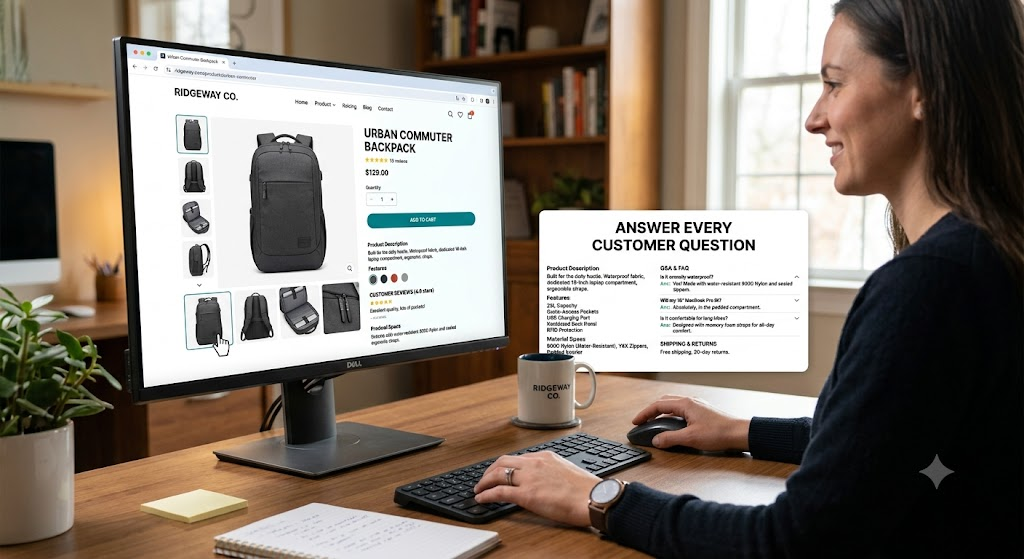
A product page should do more than describe what you’re selling. It should eliminate uncertainty.
Think about your own shopping habits. When important information is missing, you probably leave the page to look elsewhere.
Customers commonly ask themselves:
- Will this fit my needs?
- How long will shipping take?
- What’s the return policy?
- Is the quality worth the price?
- What do other buyers think?
Strong product pages answer these questions before shoppers need to ask. Include detailed descriptions, sizing information, shipping timelines, return policies, and clear calls to action.
Shopify recommends combining comprehensive product information with customer reviews and high-quality images because these elements help improve conversion rates.
Tip #2: Invest in Better Product Photography

People buy with their eyes first.
Before visitors read your product description, they’ve already formed an opinion based on your images.
Professional photography helps customers understand exactly what they’re purchasing. Multiple angles, close-up shots, lifestyle photos, and demonstration videos all reduce uncertainty.
Apple is a great example. Its product pages rely heavily on clean visuals that show products in real-life situations before introducing technical specifications.
Good photography doesn’t just make products look attractive.
It builds confidence.
Tip #3: Focus on Benefits Before Features
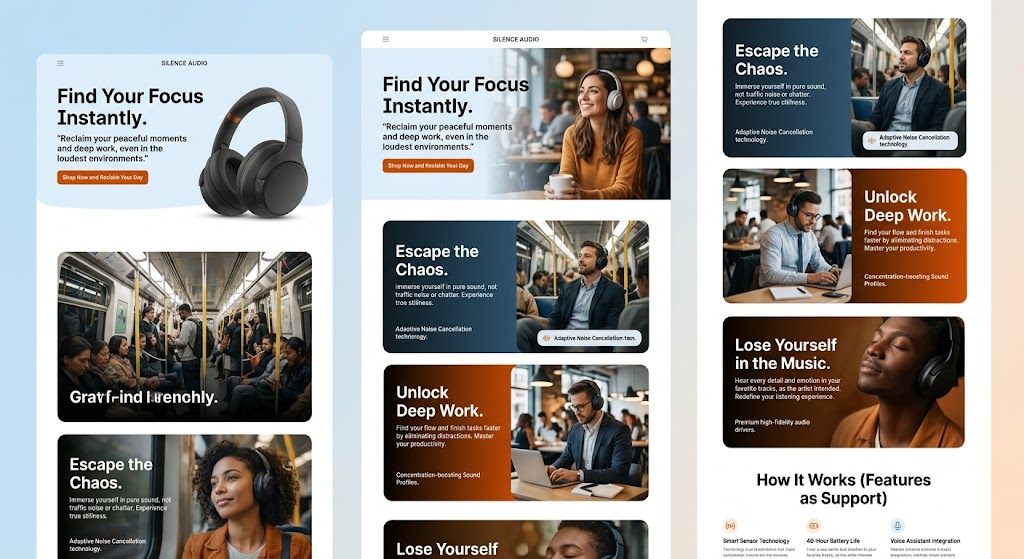
Many e-commerce stores overwhelm visitors with specifications.
Customers don’t always care about the technical details first.
They care about what those features mean for their daily lives.
Instead of writing:
5000mAh battery
Try explaining the benefit:
Stay powered through a full workday without searching for an outlet.
The specification still matters—but the benefit creates the emotional connection that encourages someone to buy.
Tip #4: Build Trust with Customer Reviews and Social Proof
Every online store claims to sell high-quality products.
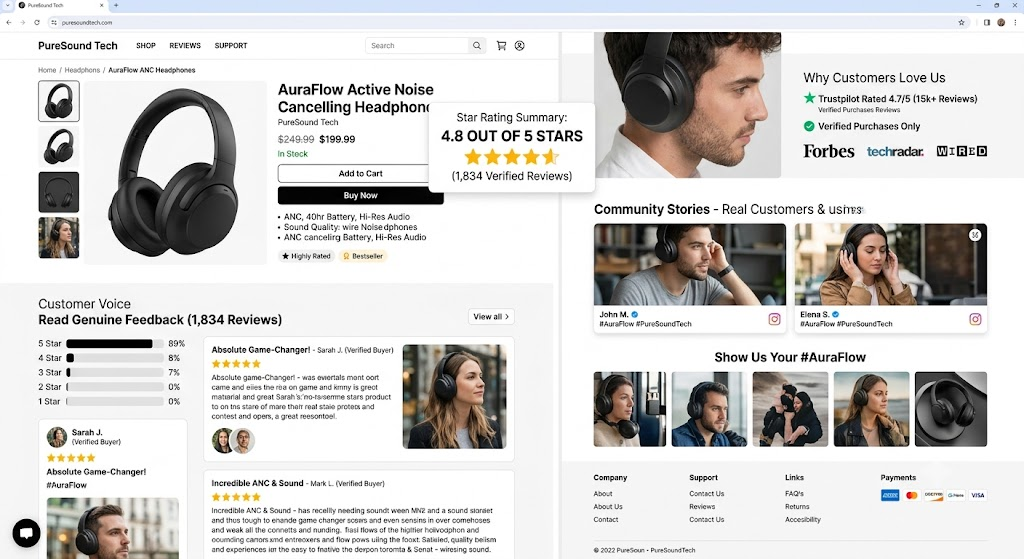
Customer reviews prove it.
Verified reviews help shoppers understand how products perform in real-world situations. Buyers often share details that marketing copy can’t, such as sizing, durability, shipping speed, or product quality after several months of use.
BrightLocal’s research consistently shows that online reviews influence purchasing decisions because consumers trust other customers’ experiences.
Improve your after-sales service to encourage customers to leave reviews, and showcase user-generated photos whenever possible. Authentic feedback often carries more weight than polished marketing language.
Tip #5: Add Trust Signals Throughout the Buying Journey
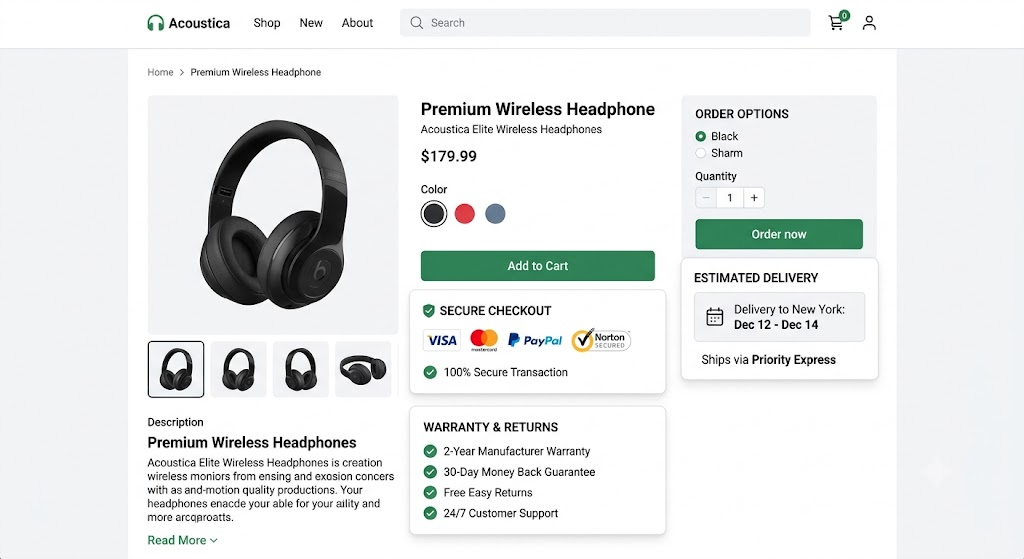
Trust isn’t built with one feature.
It’s built through many small details.
Consider including:
- Secure payment badges
- Clear return policies
- Estimated delivery dates
- Warranty information
- Contact details
- Live chat support
- Stock availability
Individually, these elements may seem minor. Together, they reassure shoppers that your business is legitimate and reliable.
Think of trust as stacking bricks. One brick doesn’t do much, but enough bricks create a strong foundation for confident buying decisions.
Tip #6: Make Navigation Simple and Intuitive
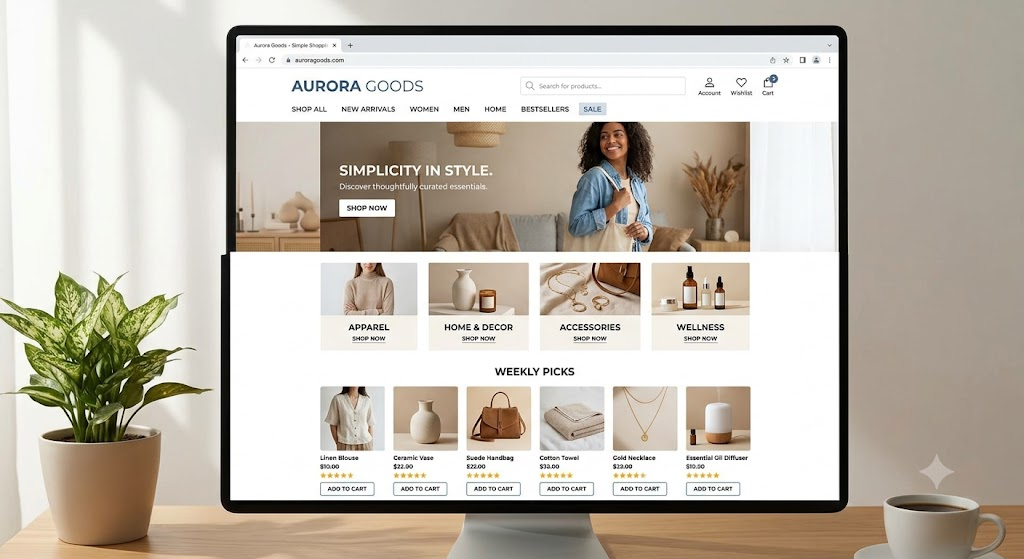
Your website navigation shouldn’t make customers think. Every extra click or confusing menu increases the chance they’ll leave before finding what they need.
Imagine walking into a grocery store where nothing is labeled. You’d spend more time searching than shopping. The same frustration happens online when categories are unclear or filters don’t work properly.
A well-organized e-commerce site helps shoppers move naturally from one page to the next. Consider these best practices:
- Use clear product categories instead of clever names.
- Add filters for size, color, price, brand, and availability.
- Include a search bar with autocomplete suggestions.
- Display breadcrumbs so users know where they are.
- Highlight featured or best-selling products to guide browsing.
Navigation isn’t just about convenience. It also supports SEO by helping search engines understand your website’s structure and making it easier to crawl important pages.
Tip #7: Speed Up Your Website Before Customers Leave

Page speed has a direct impact on sales.
Most shoppers won’t wait around for a slow website to load. Even a few extra seconds can cause visitors to abandon a page before they see your products.
Google has long emphasized page experience as part of its ranking systems, and speed remains an important factor in user satisfaction. A faster website keeps visitors engaged and encourages them to continue shopping.
Improving speed doesn’t always require a complete redesign. Small technical changes can make a noticeable difference.
Some of the most effective improvements include:
- Compressing large images without sacrificing quality.
- Using next-generation image formats like WebP.
- Removing unnecessary scripts and plugins.
- Enabling browser caching.
- Using a content delivery network (CDN).
Here’s a practical example. A clothing retailer may upload high-resolution product images directly from a professional camera. While the photos look great, each file might be several megabytes in size. Compressing those images can significantly reduce loading time while maintaining visual quality.
Visitors may never notice the optimization itself—but they’ll appreciate a faster shopping experience.
Tip #8: Optimize the Shopping Cart Before Checkout
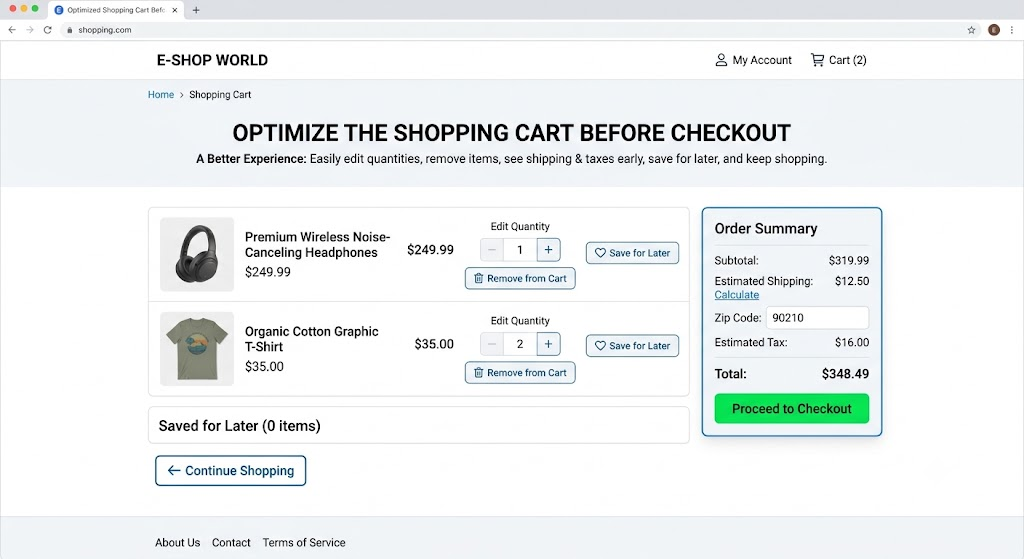
The shopping cart serves as the bridge between browsing and buying.
Unfortunately, many businesses unintentionally introduce friction at this stage.
Unexpected fees, confusing layouts, or missing information often cause shoppers to reconsider their purchase.
Instead of treating the cart as a simple summary page, think of it as an opportunity to reinforce the customer’s decision.
An effective shopping cart should allow customers to:
- Easily edit product quantities.
- Remove items without confusion.
- See shipping estimates early.
- View taxes before checkout.
- Save products for later.
- Continue shopping without losing their cart.
Transparency matters here.
Hidden shipping costs remain one of the biggest reasons shoppers abandon their purchases. According to Baymard Institute research, extra costs are consistently among the leading causes of cart abandonment.
When customers know the total cost upfront, they’re less likely to feel surprised or frustrated.
Tip #9: Remove Friction During Checkout
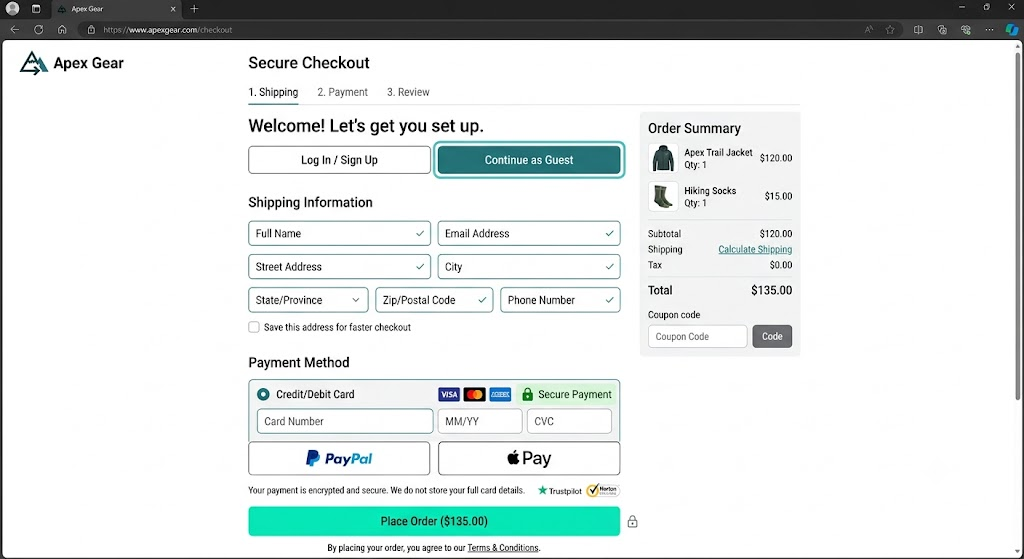
Now comes the most important step.
A customer has already chosen a product, added it to their cart, and decided to buy.
Don’t make checkout harder than it needs to be.
Every additional field, unnecessary question, or extra step creates another opportunity for someone to leave.
Baymard Institute’s usability research consistently recommends simplifying checkout to reduce abandonment and improve conversions.
Here are several ways to streamline the process:
Allow Guest Checkout
Not every customer wants to create an account.
Forcing registration often interrupts purchasing momentum.
Instead, let shoppers complete their purchase first. Afterward, invite them to create an account using the information they’ve already provided.
Minimize Form Fields
Ask only for information that’s necessary to complete the order.
Long forms feel overwhelming, especially on mobile devices.
Whenever possible, use features like:
- Address auto-complete.
- Automatic ZIP code lookup.
- Real-time form validation.
- Mobile-friendly keyboards.
These small conveniences make checkout feel much faster.
Offer Multiple Payment Options
Every shopper has a preferred payment method.
Some prefer credit cards.
Others use digital wallets like Apple Pay, Google Pay, or PayPal.
Providing multiple payment options removes unnecessary barriers and helps customers complete purchases using the method they trust most.
Display Security Throughout Checkout
Customers share sensitive information during checkout.
Visible security indicators help reinforce confidence.
Simple additions such as SSL certificates, secure payment logos, and clear privacy statements remind customers that their information is protected.
Tip #10: Optimize for Mobile Shoppers First

Mobile commerce continues to grow, and many e-commerce stores now receive more visitors from smartphones than desktop computers.
That shift changes how businesses should approach website design.
A checkout process that feels easy on a laptop may become frustrating on a smaller screen.
Buttons may be too close together. Forms may require excessive typing. Product images may take too long to load.
Testing your website on multiple mobile devices helps uncover issues before customers encounter them.
Google also recommends using responsive web design so pages adapt smoothly to different screen sizes and devices.
Businesses looking for sustainable e-commerce growth should prioritize the mobile experience instead of treating it as an afterthought.
After all, many purchasing decisions now happen while customers are commuting, waiting in line, or relaxing on the couch.
Meeting them where they are—and making the buying process effortless—can have a lasting impact on conversion rates.
Tip #11: Recover Abandoned Carts with Timely Follow-Ups

Not every abandoned cart represents a lost sale.
Sometimes life simply gets in the way. A shopper receives a phone call, starts another task, or decides to compare prices before making a final decision. Reaching out at the right moment can bring many of those customers back.
One of the most effective tactics is a well-timed abandoned cart email. Instead of immediately offering a discount, start with a friendly reminder. Let customers know the items are still waiting in their cart and make it easy to return with a single click.
If they don’t respond after a day or two, consider sending a follow-up email that highlights product benefits, customer reviews, or limited inventory. Discounts should be used carefully. Offering them too quickly can train shoppers to abandon carts intentionally while waiting for a coupon.
Shopify recommends abandoned cart recovery emails as an effective way to re-engage shoppers who were already close to completing a purchase.
Tip #12: Let Data Guide Every Improvement

One of the biggest mistakes e-commerce businesses make is relying on assumptions instead of data.
You might believe customers leave because your prices are too high. In reality, analytics may reveal that visitors never reach the checkout page because they struggle to find the “Add to Cart” button on mobile devices.
The only way to know is by measuring what users actually do.
Google Analytics 4 (GA4) provides valuable insights into customer behavior throughout the buying journey. It can help answer questions like:
- Which product pages have the highest conversion rates?
- Where do shoppers abandon the checkout process?
- Which traffic sources generate the most revenue?
- How much time do visitors spend comparing products?
- Which devices convert best?
These insights make optimization more strategic. Instead of making random website changes, you can focus on improvements that have the greatest impact on revenue.
Google provides extensive guidance on using analytics to understand customer behavior and improve business outcomes.
Real-World Example: How Amazon Removes Buying Friction
Few companies have refined the online shopping experience as successfully as Amazon.
Its checkout process may seem simple, but every step reflects years of testing and optimization.
Features such as One-Click ordering, personalized recommendations, saved payment methods, and accurate delivery estimates all reduce friction for returning customers. Product pages also include extensive customer reviews, comparison tools, frequently asked questions, and images submitted by real buyers.
The lesson isn’t that every business should copy Amazon exactly. Most small and midsize e-commerce stores don’t have the resources.
Instead, focus on the underlying principle: make every step easier for your customers. Even small improvements can lead to measurable gains over time.
E-commerce Growth Is an Ongoing Process
Successful e-commerce businesses rarely achieve perfect conversion rates overnight.
Customer expectations evolve. Competitors introduce new features. Technology changes. Shopping habits shift.
That’s why optimization should become part of your long-term strategy rather than a one-time project.
Regularly review your analytics, gather customer feedback, and test new ideas. Even modest improvements can compound over time, creating meaningful increases in sales and customer satisfaction.
The businesses that consistently outperform their competitors aren’t always the ones with the biggest marketing budgets. They’re the ones committed to making shopping easier, faster, and more trustworthy.
Final Thoughts
Growing an e-commerce business isn’t about chasing every new trend or redesigning your website every year. It’s about understanding how customers shop and removing anything that slows them down.
From creating informative product pages to simplifying checkout, every improvement contributes to a smoother buying experience. Individually, these updates may seem minor. Together, they can transform how customers interact with your store and how often they complete a purchase.
If your e-commerce website attracts visitors but struggles to convert them into customers, it may be time to take a closer look at the entire buying journey. Working with an experienced digital marketing agency in Los Angeles can help uncover opportunities that aren’t always obvious—from conversion rate optimization and SEO to user experience improvements that support long-term growth.
The most successful e-commerce brands never stop refining their websites. They test, learn, and improve continuously because they know that every click, every interaction, and every completed checkout brings them one step closer to sustainable growth.
Frequently Asked Questions
How can I improve my e-commerce conversion rate?
Start by optimizing your product pages, simplifying navigation, improving website speed, and streamlining the checkout process. Testing each improvement individually helps identify what has the greatest impact on conversions.
Why do customers abandon their shopping carts?
Common reasons include unexpected shipping costs, complicated checkout forms, mandatory account creation, slow-loading pages, and concerns about payment security. Addressing these issues can significantly reduce cart abandonment.
How important are customer reviews for e-commerce?
Customer reviews build trust and provide valuable social proof. They help shoppers make informed decisions by sharing real experiences, which often increases confidence and encourages purchases.
Does website speed affect e-commerce sales?
Yes. A slow website can frustrate visitors and increase bounce rates. Faster loading pages create a better user experience and often lead to higher conversion rates and improved search visibility.
Should every e-commerce business invest in conversion rate optimization?
Absolutely. Conversion rate optimization helps businesses generate more revenue from existing traffic. Even small improvements to product pages or checkout can produce measurable returns over time.